Gasketed Plate Heat Exchanger Manufacturer
Hengxin designs and manufactures gasketed plate heat exchangers for heating, domestic hot water, HVAC, hydraulic oil cooling, lubricating oil cooling, chemical processing and other liquid-to-liquid heat transfer applications.
- Factory direct manufacturing
- BR & BRB plate heat exchanger models
- SUS304 / SUS316L plate options
- NBR / EPDM gasket options
- Custom heat transfer area and flow arrangement
- Hydrostatic pressure test before delivery
| Product Type | Gasketed Plate Heat Exchanger |
|---|---|
| Main Series | BR Series / BRB (BB) Series |
| Plate Material | SUS304 / SUS316L |
| Plate Thickness | 0.6–0.7 mm |
| Gasket Material | NBR / EPDM |
| Structure Type | Hanging Type / Non-Hanging Type |
| Flow Arrangement | Single Pass / Multi Pass |
| Design Pressure | 1.0–2.5 MPa |
| Test Pressure | 1.25 × Design Pressure |
| Typical Applications | Heating, Domestic Hot Water, HVAC, Oil Cooling, Chemical & Pharmaceutical Processes |
Custom specifications are available based on working conditions, flow rate, temperature and pressure requirements.
What Is a Gasketed Plate Heat Exchanger?
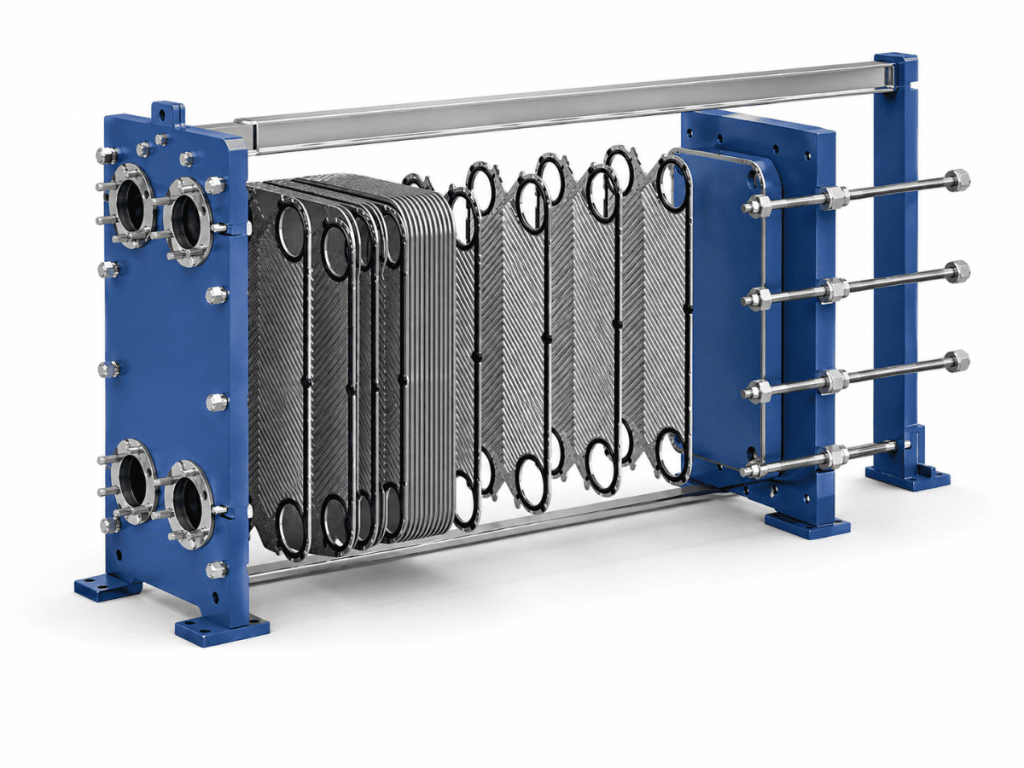
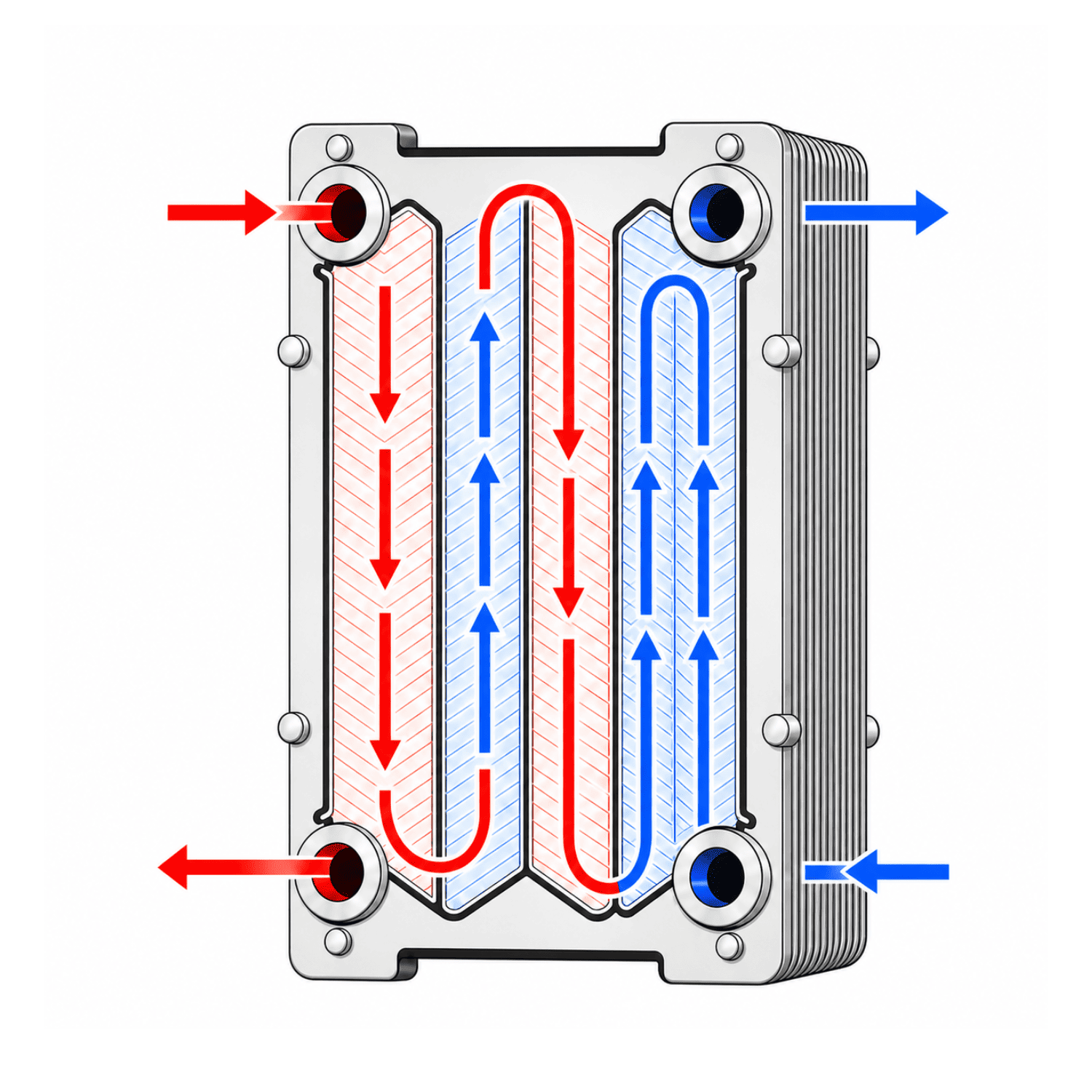
A gasketed plate heat exchanger is a compact heat transfer device assembled with corrugated heat transfer plates, sealing gaskets, fixed and movable frame plates, guide bars and tightening bolts. The hot and cold fluids flow through alternate channels between the plates. The corrugated plate pattern creates strong turbulence, improves heat transfer efficiency and allows the unit to achieve a high heat transfer rate within a compact footprint.
Compared with many traditional heat exchangers, a gasketed plate heat exchanger offers high efficiency, lower material consumption, lighter weight, smaller installation space and convenient disassembly for inspection, cleaning or plate/gasket replacement.
How Chevron Plates Improve Heat Transfer Efficiency
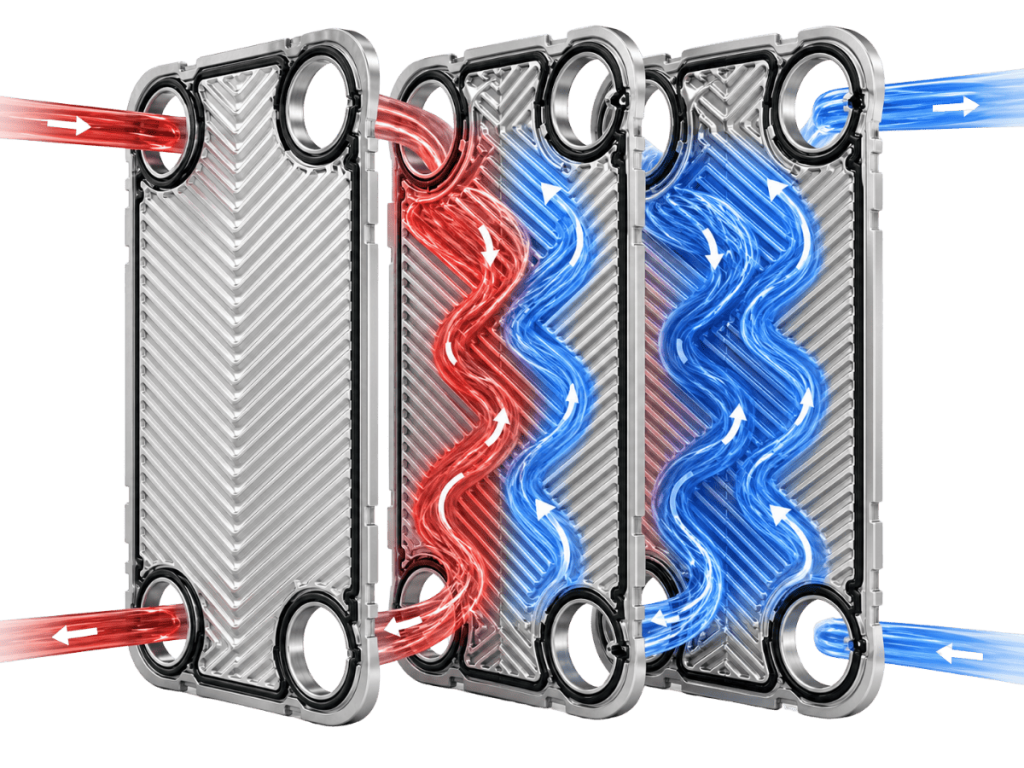
The corrugated chevron plate design is one of the key reasons why gasketed plate heat exchangers can achieve high heat transfer efficiency in a compact structure. By creating turbulent flow and improving fluid distribution, the plate channels help transfer heat more effectively between the hot and cold media.
Opposite Corrugation Arrangement
Adjacent heat transfer plates are assembled with opposite chevron corrugation directions. This creates multiple contact points between plates and forms stable flow channels for the media.
Turbulent Flow Path
The chevron channels force the fluid to flow through a curved and disturbed path. This turbulence improves mixing inside the channel and increases heat transfer performance.
Reduced Thermal Resistance
Turbulent flow helps mix fluid layers with different temperatures and reduces the thermal resistance near the plate surface, allowing heat to pass through the plate more efficiently.
Thin Stainless Steel Plates
The thin stainless steel heat transfer plates reduce conduction resistance while maintaining a compact structure, helping the unit achieve efficient heat exchange with less installation space.
Single-Pass and Multi-Pass Flow Arrangement
The flow arrangement of a gasketed plate heat exchanger should be selected according to flow rate, temperature difference, medium viscosity and allowable pressure drop. Hengxin can configure single-pass, double-pass or multi-pass flow paths to match different working conditions and installation requirements.


Single-Pass for Simple Flow Routing
In a single-pass arrangement, each medium flows through one path inside the plate pack. This design offers simple piping, lower flow resistance and easier maintenance, especially for larger units or applications with sufficient flow rate.
Multi-Pass for Longer Flow Paths
In a multi-pass arrangement, the medium is redirected inside the plate pack and flows through two or more passes. This creates a longer flow path and can help increase channel velocity when the flow rate is relatively low.
Counter-Flow Connection
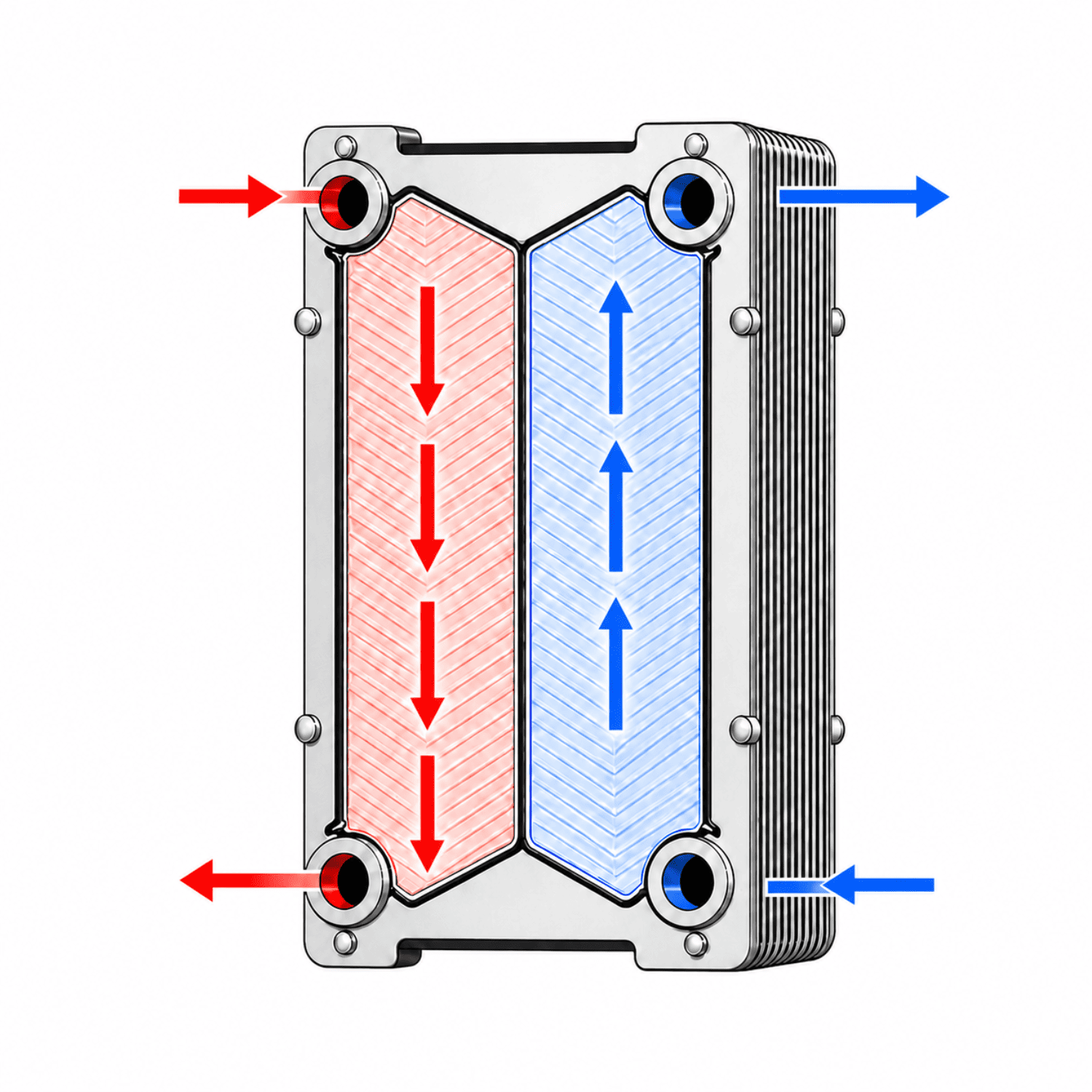
Hot and cold media are preferably arranged in opposite flow directions. Counter-flow operation helps maintain a more balanced temperature difference between the two sides during heat transfer.
Pressure Drop Must Be Controlled
Increasing the number of passes can improve flow distribution and channel velocity, but it also increases pressure drop. Hengxin evaluates the pass arrangement together with pump capacity and allowable resistance.
Available Series: BR and BRB Plate Heat Exchangers
Hengxin gasketed plate heat exchangers are mainly available in BR Series and BRB / BB Series. These two structures are designed for different flow channel arrangements and working conditions. The suitable option depends on the flow rate ratio, temperature difference, pressure drop and heat transfer requirements of the hot and cold media.
| Series | BR Series | BRB / BB Series |
|---|---|---|
| Plate & Gasket Design | Uses the same type of heat transfer plates and sealing gaskets. | Uses two different plate and gasket types, commonly known as A plate / A gasket and B plate / B gasket. |
| Flow Channel Structure | Both sides form equal flow channel cross-sections after assembly. | Forms unequal flow channel cross-sections, with an approximate ratio of 2:1. |
| Port Arrangement | The same medium enters and exits through ports on the same side. | The same medium enters and exits through diagonal ports. |
| Best For | Applications where the two media have similar flow requirements. | Applications where the two media have different flow rates, especially close to a 2:1 flow ratio. |
| Typical Application | General heating, cooling, hot water and industrial liquid-to-liquid heat transfer. | District heating and heat exchange stations where primary and secondary side flow rates differ significantly. |
Hengxin can recommend the suitable BR or BRB configuration according to your working conditions, flow rate, temperature program and pressure drop requirements.
Applications of Gasketed Plate Heat Exchangers
Hengxin gasketed plate heat exchangers are widely used in heating, hot water, HVAC, oil cooling and industrial process systems. Different industries have different requirements for temperature control, flow arrangement, material selection and pressure drop, so application-based selection is important for long-term performance.

District Heating & Space Heating
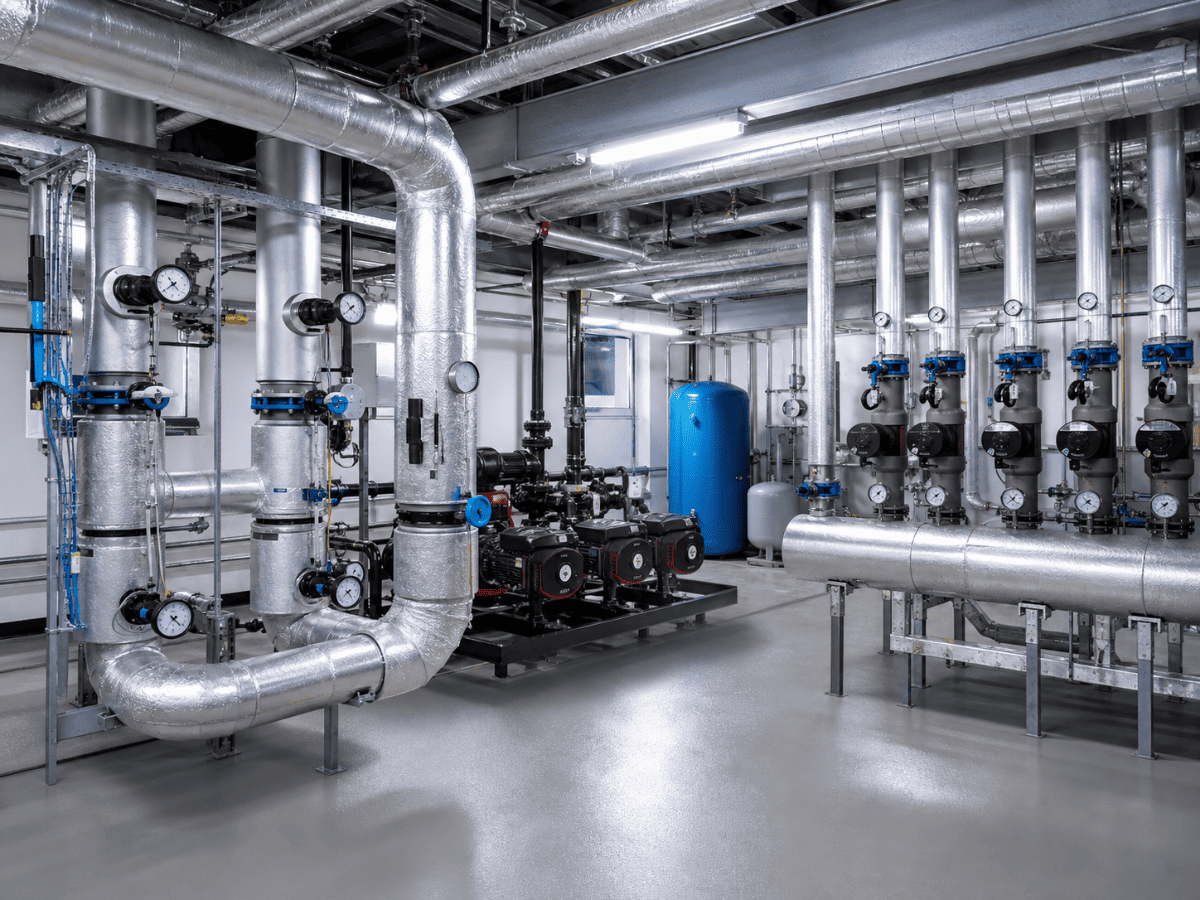
Used in district heating stations and building heating systems to transfer heat between primary and secondary water circuits for residential and commercial heat distribution.
Domestic Hot Water & Bathing Systems
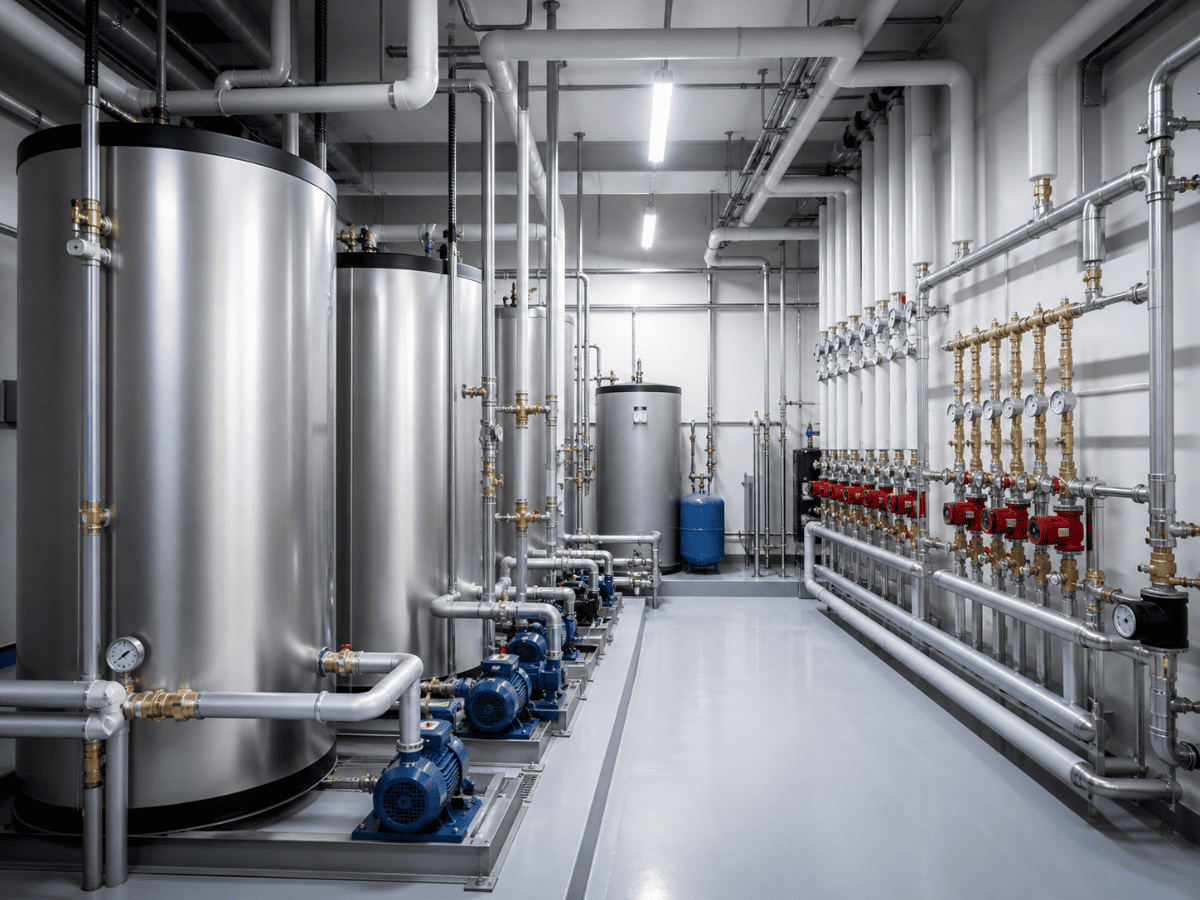
Suitable for hotels, residential buildings, schools and bathing facilities where stable hot water supply, compact installation and reliable temperature control are required.
HVAC Heating and Cooling
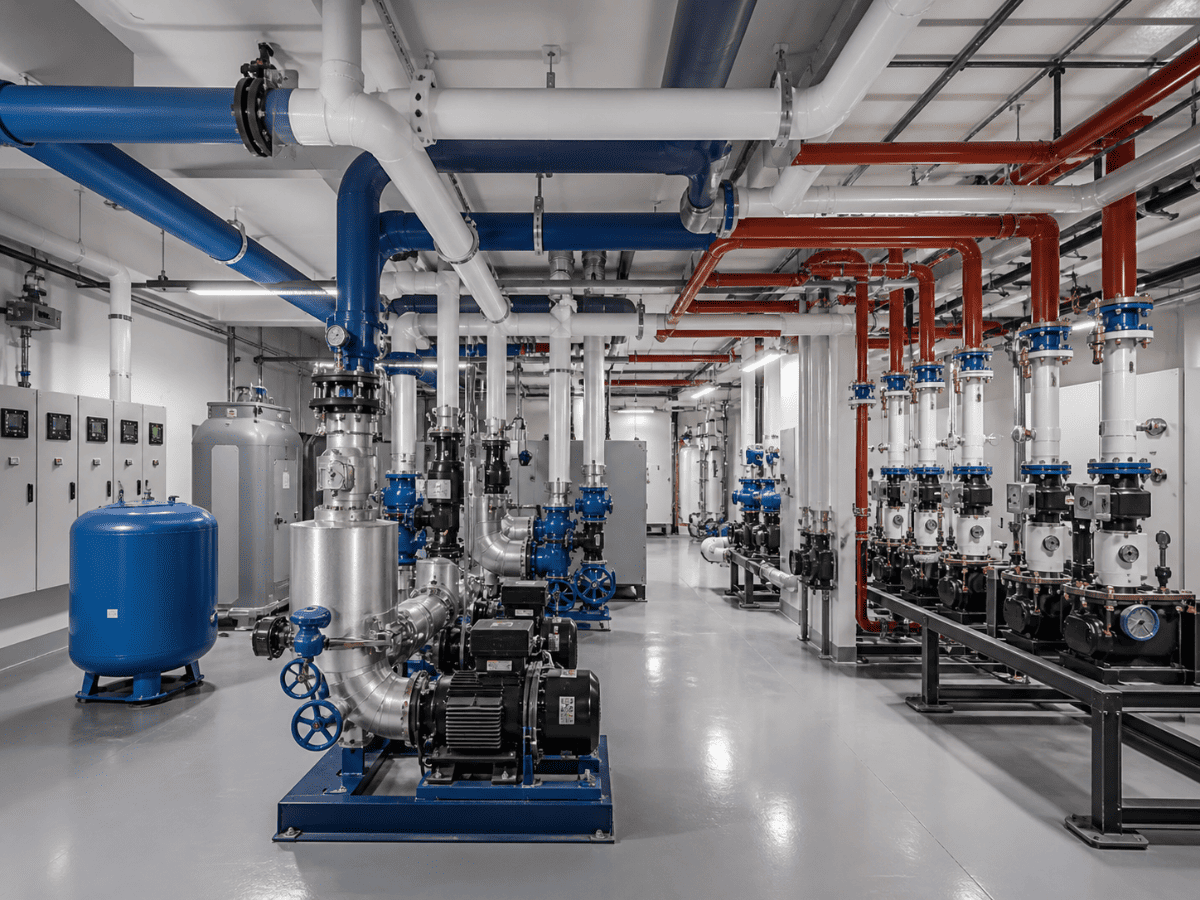
Applied in HVAC systems for chilled water, hot water and heat recovery in commercial and industrial buildings where efficient temperature control is essential.
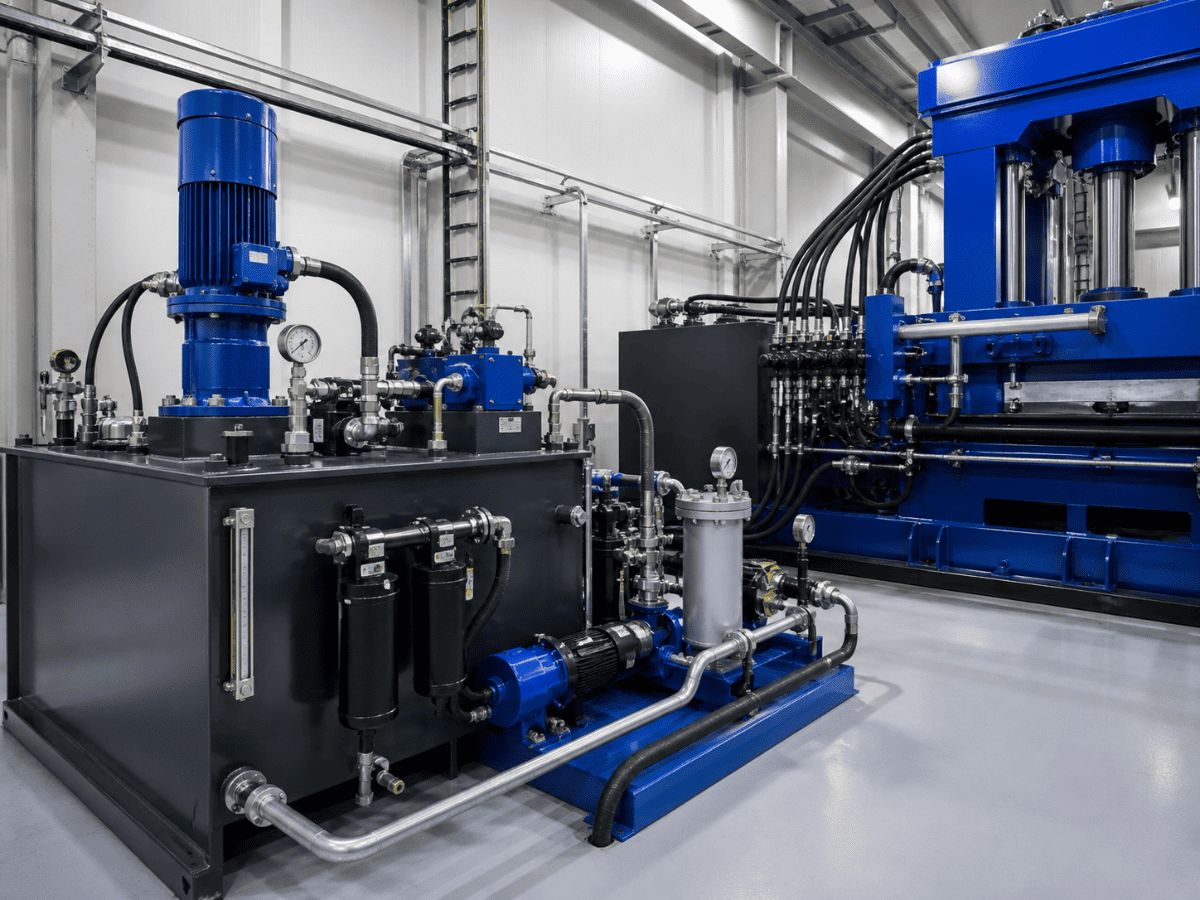
Hydraulic Oil & Lubricating Oil Cooling
Used in industrial equipment to cool hydraulic oil and lubricating oil, helping maintain stable oil temperature and support reliable equipment operation.
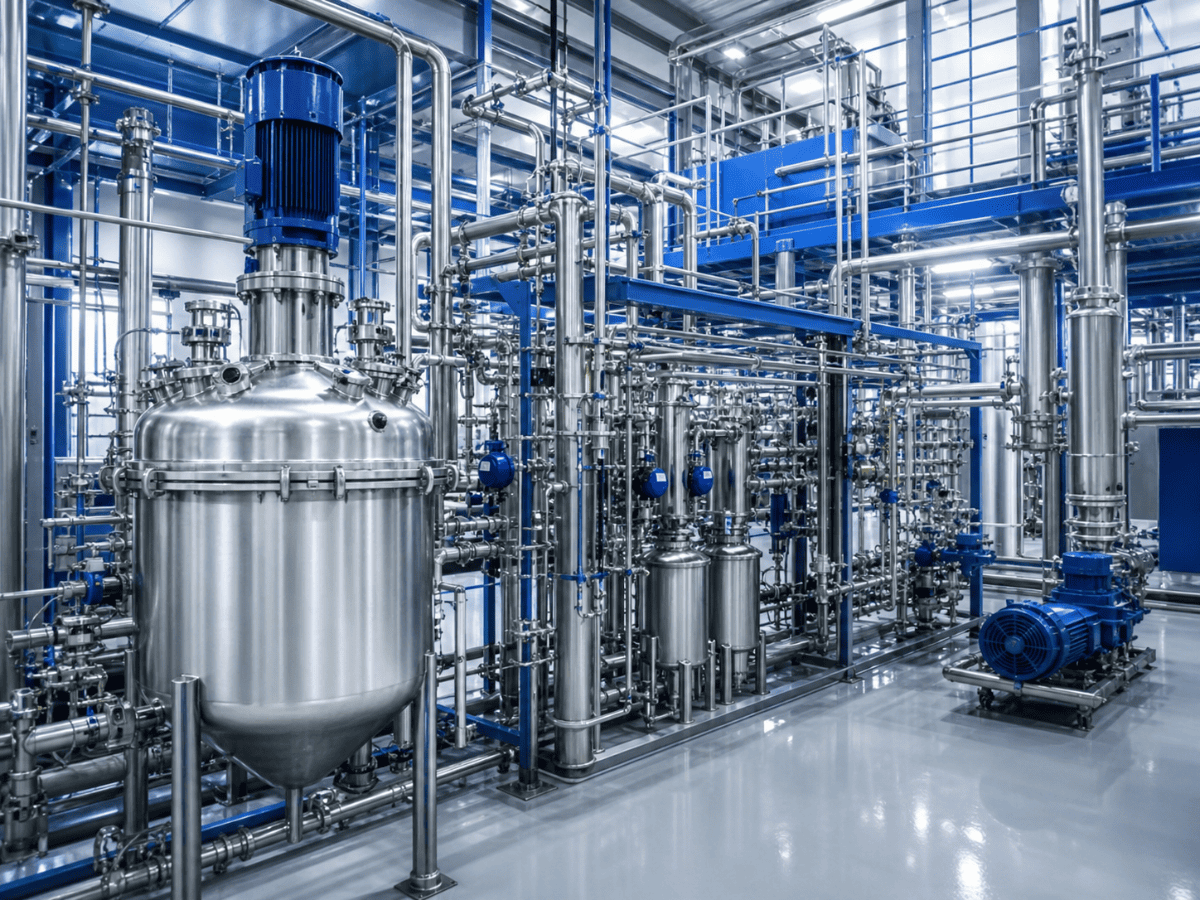
Chemical Processing
Used in chemical process systems for liquid heating, cooling and temperature control, where corrosion resistance and material compatibility must be carefully considered.
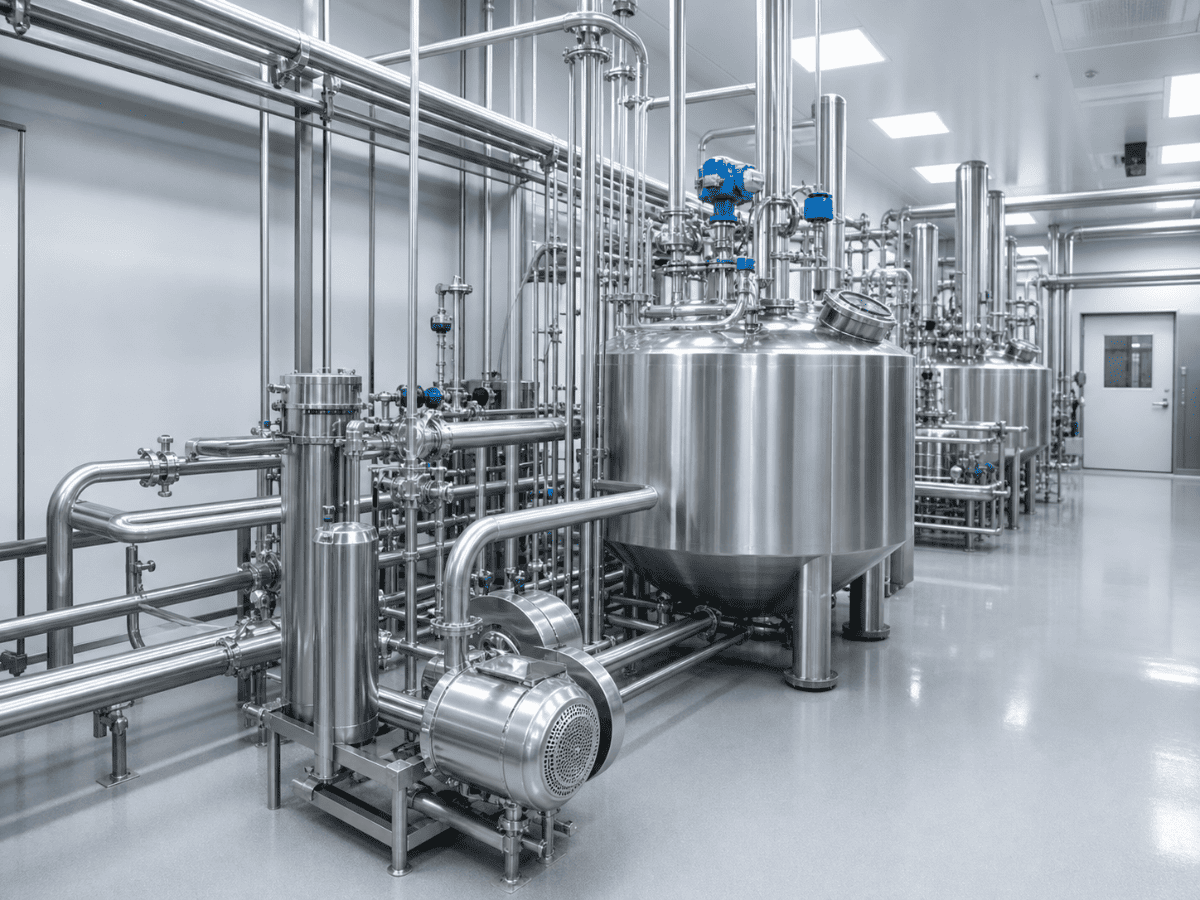
Pharmaceutical Processing
Applied in pharmaceutical processing for hygienic liquid heating, cooling and temperature control in clean systems with strict sanitary requirements.

Need a Heat Exchanger for Your Application?
Tell us your industry, process medium, inlet and outlet temperature, flow rate and working pressure. Hengxin can help evaluate whether a gasketed plate heat exchanger is suitable for your system.
Available Plate Sizes and Model Selection
Hengxin gasketed plate heat exchangers are available in different plate sizes and flow channel configurations. BR models indicate the effective heat transfer area of a single plate, while BRB / BB configurations are selected when unequal flow channels are required for different flow rates on the hot and cold sides.
| Model | Meaning |
|---|---|
| BR0.12 | Single plate effective heat transfer area: 0.12 m² |
| BR0.24 | Single plate effective heat transfer area: 0.24 m² |
| BR0.42 | Single plate effective heat transfer area: 0.42 m² |
| BR0.6 | Single plate effective heat transfer area: 0.6 m² |
| BR0.9 | Single plate effective heat transfer area: 0.9 m² |
| BR1.2 | Single plate effective heat transfer area: 1.2 m² |
| BR1.4 | Single plate effective heat transfer area: 1.4 m² |
| BR1.6 | Single plate effective heat transfer area: 1.6 m² |
Final model selection, including BR or BRB / BB configuration, depends on heat load, flow rate ratio, temperature program, pressure drop and working medium.
Materials and Gasket Options
Plate and gasket materials directly affect corrosion resistance, sealing performance, operating temperature and service life. Hengxin selects suitable plate and gasket materials according to the medium, temperature, pressure, water quality and maintenance requirements of each project.
Plate Material Options
Hengxin heat transfer plates are commonly made from stainless steel sheets and pressed into chevron corrugated patterns. Standard plate material options include SUS304 and SUS316L. SUS304 is widely used for general water and compatible liquid applications, while SUS316L provides better corrosion resistance for more demanding working conditions.
- SUS304: Common option for general water and compatible fluids.
- SUS316L: Better corrosion resistance for more demanding media.
- Plate thickness: commonly 0.6–0.7 mm.
Gasket Material Options
The sealing gasket forms the flow channels and prevents leakage between adjacent plates. Hengxin commonly provides NBR and EPDM gasket options according to the medium and operating temperature.
- NBR gasket: suitable for water and oil applications, with a heat resistance limit of about 110°C.
- EPDM gasket: suitable for water and steam applications, with a heat resistance limit of about 150°C.
- Gasket selection should be confirmed according to medium, temperature and operating conditions.
Engineering Note: Water Quality and Corrosion Risk
For stainless steel plates, water quality should be checked carefully before final material selection. High chloride content may cause pitting or perforation corrosion on stainless steel heat transfer plates. Scaling tendency, calcium and magnesium content, operating temperature and cleaning conditions should also be considered during selection.
If your project involves high-chloride water, steam, oil, chemical liquid or uncertain water quality, please send the medium information to Hengxin for material confirmation before ordering.
Engineering Selection Guide
A gasketed plate heat exchanger should be selected based on real working conditions, not only by plate size or price. Hengxin engineers evaluate heat load, flow rate, temperature program, pressure drop, medium properties and material compatibility before recommending a suitable BR or BRB / BB configuration.
Continue with the heat exchanger selection guide, review the 12 project data points to prepare before quotation, or follow the step-by-step gasketed plate heat exchanger sizing guide.

Medium on Both Sides
Tell us the hot side and cold side media, such as water, steam, hydraulic oil, lubricating oil or process liquid. Medium properties affect plate material, gasket material and flow arrangement.

Inlet and Outlet Temperatures
Provide the inlet and outlet temperatures of both sides. These temperatures are used to calculate the heat load and temperature difference for heat exchanger sizing.

Flow Rate Requirements
Flow rate is one of the key factors for selecting plate size, plate quantity and pass arrangement. Different flow rates may require BR or BRB / BB channel configurations.

Working Pressure and Pressure Drop
The working pressure and allowable pressure drop help determine the suitable structure, flow velocity and number of passes. For water-like media in a single-pass plate arrangement, Hengxin catalog guidance lists a typical channel velocity of about 0.3-0.5 m/s and a typical pressure drop of about 0.03-0.13 MPa. Oil or higher-viscosity media usually require a lower velocity, so final sizing should be confirmed by actual medium, flow rate and pump capacity.

Material and Water Quality
Plate and gasket materials should be selected according to the medium, temperature and water quality. For stainless steel plates, chloride content and scaling tendency should be checked carefully.

Installation and Maintenance Needs
Installation space, connection position, cleaning frequency and maintenance access should be considered before final selection, especially for heating stations, HVAC systems and industrial process lines.

Installation Recommendations
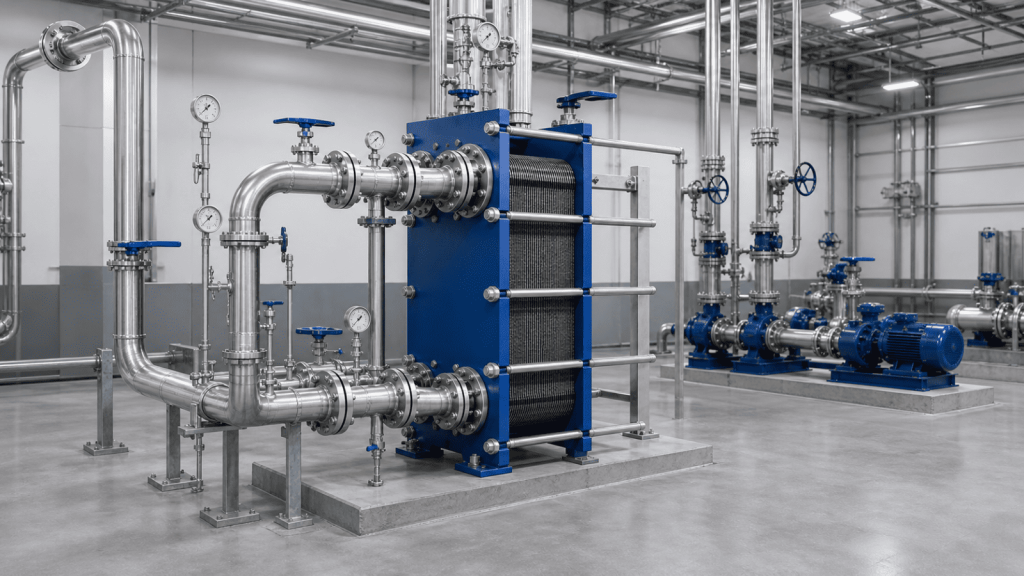
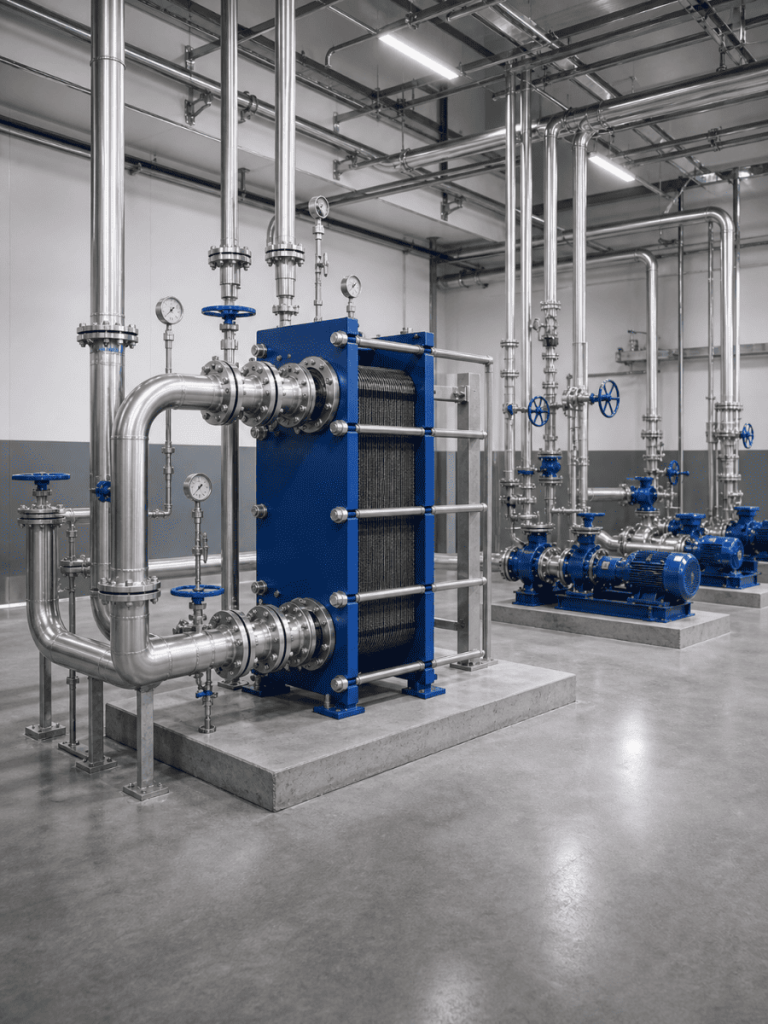
Proper installation is important for stable heat transfer performance, safe operation and convenient maintenance. Hengxin recommends checking foundation conditions, piping support, venting, drainage, instrument installation and flow direction before commissioning a gasketed plate heat exchanger.

Solid Foundation and Service Space
Install the heat exchanger on a solid and level foundation. Sufficient service space should be reserved around the unit for inspection, tightening, disassembly and plate cleaning.

Proper Piping Support
Connected pipelines should be properly supported. Long pipelines should allow room for thermal expansion, especially near pipe bends and connection points.

Air Vent and Drainage
Air vents should be installed at high points of the piping system, while drain valves should be installed at low points for water discharge and maintenance.

Temperature and Pressure Monitoring
Temperature gauges and pressure gauges should be installed on inlet and outlet pipelines to monitor the operating condition during system operation.

Counter-Flow Connection
For water-to-water heat exchange, hot water is generally connected from the upper port to the lower port, while cold water flows from the lower port to the upper port to form counter-flow heat transfer.

Strainer and Pipeline Cleaning
For newly installed pipelines, impurities may remain inside the system. A strainer should be installed before the pump inlet, and the pipeline should be flushed before formal operation.
Important Operation Note
During startup, open the cold side valves and start circulation first, then slowly open the hot water or steam side. During shutdown, close the hot water or steam side first before stopping the cold side circulation. If the pump stops unexpectedly, the hot medium inlet valve should be closed immediately to protect the heat exchanger.
For steam-to-water applications, steam should enter from the upper port and condensate should discharge from the lower port. The steam side is usually arranged as a single-pass flow path to support steam entry and condensate drainage.
Operation and Maintenance Guide
Proper operation and regular maintenance help maintain heat transfer performance, reduce leakage risk and extend the service life of a gasketed plate heat exchanger. Hengxin recommends checking piping cleanliness, operating sequence, pressure condition, scaling risk and gasket condition during daily use.
Startup and Shutdown Procedure
The startup and shutdown sequence should be controlled carefully to avoid thermal shock, pressure fluctuation and damage caused by hot medium entering the unit without cold side circulation.

Before Startup
Check whether the tightening nuts are loose and confirm that the connected pipelines are properly supported. For newly installed systems, flush the pipelines and clean the strainer before formal operation to prevent debris from entering and blocking the heat exchanger.

During Operation
Open the cold side valves first and start the circulation pump. After stable circulation is established, slowly open the hot water or steam side valve and bring the system into normal heat exchange operation.

Shutdown Protection
When stopping operation, close the hot water or steam side first, then stop the cold side circulation. If the circulation pump stops unexpectedly, close the hot medium inlet valve immediately to protect the heat exchanger.
Maintenance Checklist
Maintenance should focus on flow cleanliness, scaling condition, gasket sealing and safe disassembly. When heat transfer performance decreases or pressure drop increases, inspection and cleaning may be required.

Pipeline Flushing
New pipelines may contain welding slag, sand, rust or other debris. The system should be flushed before formal operation to reduce the risk of channel blockage.

Strainer Cleaning
A strainer should be installed before the pump inlet or heat exchanger inlet. Clean the strainer regularly, especially during the initial operation period of a new piping system.

Scaling and Fouling
Hard water, calcium and magnesium ions, suspended solids or dirty process liquids may cause scaling or fouling on the plate surface. Scaling reduces heat transfer efficiency and increases pressure drop.

Plate Cleaning
After disassembly, general dirt can be washed with clean water. Oil contamination can be cleaned with alkaline solution, while hard scale may require a suitable acid cleaning solution. Do not strike the plates with hard tools.

Gasket Replacement
If gaskets become aged, deformed or damaged, they should be replaced. The gasket groove should be cleaned before installing new gaskets to help maintain reliable sealing performance.

Winter Drainage
When the system is stopped in winter or in freezing conditions, drain the water from the heat exchanger and connected pipelines to prevent freezing damage.

Important Maintenance Note
If slight leakage occurs during operation, the tightening dimension may need to be checked and adjusted carefully. Tightening should be performed evenly so that the fixed frame plate and movable pressure plate remain parallel. For serious leakage, plate deformation, gasket aging or uncertain cleaning conditions, contact Hengxin for technical support before reassembly.
Manufacturing and Quality Control
As the factory brand behind the products, Hengxin combines heat exchanger manufacturing, engineering design and system integration capability to support reliable industrial heat transfer solutions. From plate forming and frame fabrication to assembly and pressure testing, each gasketed plate heat exchanger is produced with controlled manufacturing procedures and quality inspection.
Factory Capabilities

40,000-ton Plate Forming Press
Hengxin is equipped with a large 40,000-ton hydraulic plate forming press for heat transfer plate production, supporting stable plate forming quality and consistent corrugation geometry.

Automated Welding Robots
Automatic welding robots help improve welding consistency, production efficiency and manufacturing stability for heat exchanger frames, system skids and related fabricated components.

5,000 Sets Annual Capacity
With organized production planning and manufacturing capability, Hengxin can support an annual production capacity of up to 5,000 sets of heat exchanger equipment and related systems.

Four Core Technical Capabilities
Hengxin focuses on four core technical areas: heat exchange, system integration, waste heat recovery and intelligent control, helping customers obtain more complete heat transfer solutions.

Controlled Manufacturing Process

1. Working Condition Review
We review the medium, flow rate, temperature, pressure and project requirements before starting technical selection.

2. Thermal Design
Heat load, heat transfer area, flow velocity and pressure drop are calculated according to the actual operating conditions.

3. Material Selection
Plate, gasket and frame materials are selected based on medium compatibility, temperature, pressure and water quality.

4. Plate Forming
Chevron corrugated heat transfer plates are formed through a controlled pressing process for consistent plate geometry.

5. Assembly and Tightening
Plates, gaskets, frame plates, guide bars and tightening bolts are assembled according to the selected configuration.

6. Pressure Testing
Each assembled unit is pressure tested to check sealing performance and reduce leakage risk before shipment.

7. Packaging and Delivery
Finished equipment is packed with suitable protection and prepared for safe delivery to the project site.
Quality Control Before Delivery
Before delivery, Hengxin checks key manufacturing details including plate condition, gasket installation, tightening dimension, frame assembly and sealing performance. Each assembled gasketed plate heat exchanger is pressure tested to reduce leakage risk and support stable operation after installation.
- Plate and gasket inspection before assembly
- Frame alignment and tightening dimension control
- Hydrostatic pressure test before shipment
Why Choose Hengxin as Your Plate Heat Exchanger Manufacturer
Choosing a gasketed plate heat exchanger is not only about comparing price. A reliable supplier should understand working conditions, heat transfer design, material selection, manufacturing quality and long-term maintenance requirements. Hengxin supports customers with factory-direct manufacturing, engineering-based selection and practical heat transfer solutions.

Factory Brand, Direct Manufacturing
Hengxin is the factory brand behind the products. Customers work directly with the manufacturer for product selection, technical confirmation, production and after-sales communication.

Engineering-Based Selection
We recommend suitable heat exchanger configurations based on actual working conditions, including medium, flow rate, inlet and outlet temperatures, pressure drop, material compatibility and installation requirements.

Custom BR and BRB Configurations
Hengxin can provide BR and BRB / BB gasketed plate heat exchanger configurations according to flow rate ratio, temperature difference and pass arrangement requirements.

Strong Manufacturing Capability
With a 40,000-ton plate forming press, automated welding robots and an annual production capacity of up to 5,000 sets, Hengxin supports stable production for heat exchanger equipment and related systems.

Quality Control Before Delivery
Each assembled unit is checked before shipment, including plate condition, gasket installation, frame assembly, tightening dimension and sealing performance. Hydrostatic pressure testing helps reduce leakage risk before delivery.

Long-Term Technical Support
Beyond equipment supply, Hengxin provides practical support for installation, operation, cleaning, gasket replacement and maintenance, helping customers improve long-term system reliability.
Need Help Selecting the Right Heat Exchanger?
Send us your working conditions, including medium, flow rate, temperature and pressure requirements. Hengxin will help review the suitable model, plate arrangement and material options for your project.
Request an Engineering Quote
Send us your project requirements and working conditions. Hengxin will help review the suitable gasketed plate heat exchanger model, plate arrangement, material options and quotation for your application.
Hengxin will review your request and contact you with suitable technical suggestions and quotation details.
FAQ
Below are common questions about Hengxin gasketed plate heat exchangers, including model selection, materials, installation, maintenance and quotation support.
What information is needed to select a gasketed plate heat exchanger?
To select a suitable gasketed plate heat exchanger, Hengxin usually needs the hot side and cold side media, inlet and outlet temperatures, flow rates, working pressure, allowable pressure drop, application industry and material requirements. If some data is not available, customers can first describe the application and project requirements, and Hengxin will help review the missing information.
What is the difference between BR and BRB / BB plate heat exchanger series?
BR series gasketed plate heat exchangers generally use the same type of heat transfer plates and sealing gaskets, forming equal flow channel cross-sections on both sides. BRB / BB configurations use different plate and gasket arrangements to form unequal flow channels, which can be suitable when the hot and cold sides have different flow rates, especially when an unequal channel design is required.
How do I know whether I need a single-pass or multi-pass arrangement?
The pass arrangement depends on flow rate, temperature difference, medium viscosity and allowable pressure drop. A single-pass arrangement is simple and easy to maintain, while a multi-pass arrangement can create a longer flow path and help adjust channel velocity when the flow rate is relatively low. Hengxin evaluates the pass arrangement together with heat load, pressure drop and pump capacity.
What plate materials are available?
Common heat transfer plate materials include SUS304 and SUS316L stainless steel. SUS304 is widely used for general water and compatible liquid applications. SUS316L provides better corrosion resistance and can be selected for more demanding media or water quality conditions. Final material selection should be confirmed according to the actual medium, temperature and corrosion risk.
What gasket materials are commonly used?
Common gasket options include NBR and EPDM. NBR is commonly used for water and oil applications, while EPDM is commonly used for water and steam-related applications. Gasket selection should be confirmed according to medium type, operating temperature, pressure and chemical compatibility.
Why is water quality important for stainless steel plates?
Water quality is important because high chloride content, scaling tendency, suspended solids or corrosive media may affect stainless steel plate service life. High chloride content can increase the risk of pitting or perforation corrosion. Before final material selection, Hengxin recommends checking chloride content, scaling tendency, operating temperature and cleaning conditions.
Can a gasketed plate heat exchanger be disassembled for cleaning?
Yes. A gasketed plate heat exchanger can be disassembled for inspection, cleaning, plate replacement or gasket replacement. During reassembly, the plates and gaskets should be installed correctly, and the tightening dimension should be controlled evenly so that the frame plates remain parallel and sealing performance is maintained.
What applications are gasketed plate heat exchangers suitable for?
Gasketed plate heat exchangers are widely used in district heating, space heating, domestic hot water, bathing systems, HVAC heating and cooling, hydraulic oil cooling, lubricating oil cooling, chemical processing and pharmaceutical processing. The suitable configuration depends on the working medium, temperature, flow rate, pressure drop and material compatibility.
Are Hengxin gasketed plate heat exchangers tested before delivery?
Yes. Hengxin checks key manufacturing details before delivery, including plate condition, gasket installation, frame assembly, tightening dimension and sealing performance. Assembled units are pressure tested before shipment to help reduce leakage risk and support stable operation after installation.
What should be considered during installation?
A gasketed plate heat exchanger should be installed on a solid and level foundation with sufficient service space for inspection, tightening, disassembly and cleaning. Connected pipelines should be properly supported. Air vents should be installed at high points, drain valves at low points, and temperature and pressure gauges should be installed on inlet and outlet pipelines.
How should the heat exchanger be started and stopped?
During startup, the cold side valves should be opened first and circulation should be established before slowly opening the hot water or steam side. During shutdown, the hot water or steam side should be closed first before stopping the cold side circulation. If the circulation pump stops unexpectedly, the hot medium inlet valve should be closed immediately to protect the heat exchanger.
How quickly will Hengxin respond after receiving an inquiry?
Hengxin will respond to submitted inquiries and quotation forms by email within one business day. To help us provide a more accurate response, customers are encouraged to include the application, medium, flow rate, inlet and outlet temperatures, working pressure, quantity and any available drawings or technical files.